
Last updated November 22, 2026
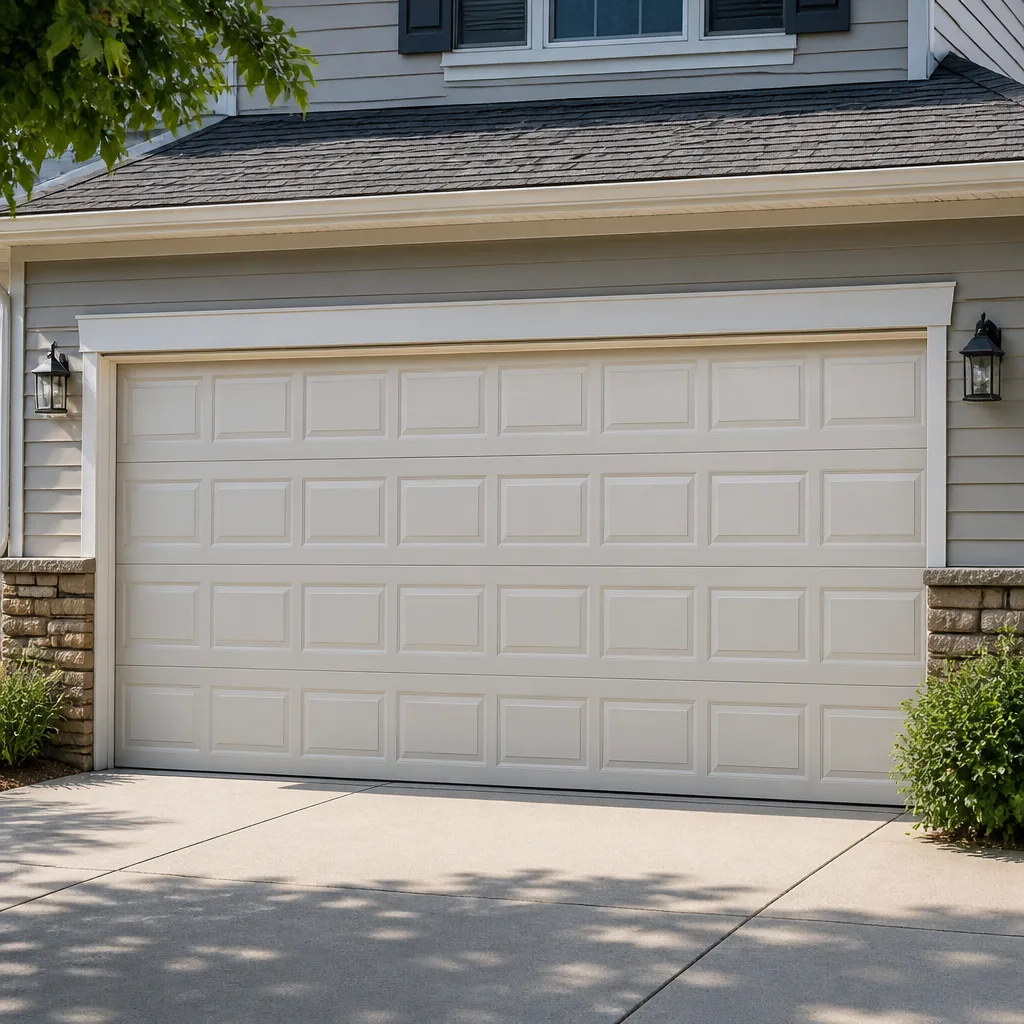 Raised-panel steel
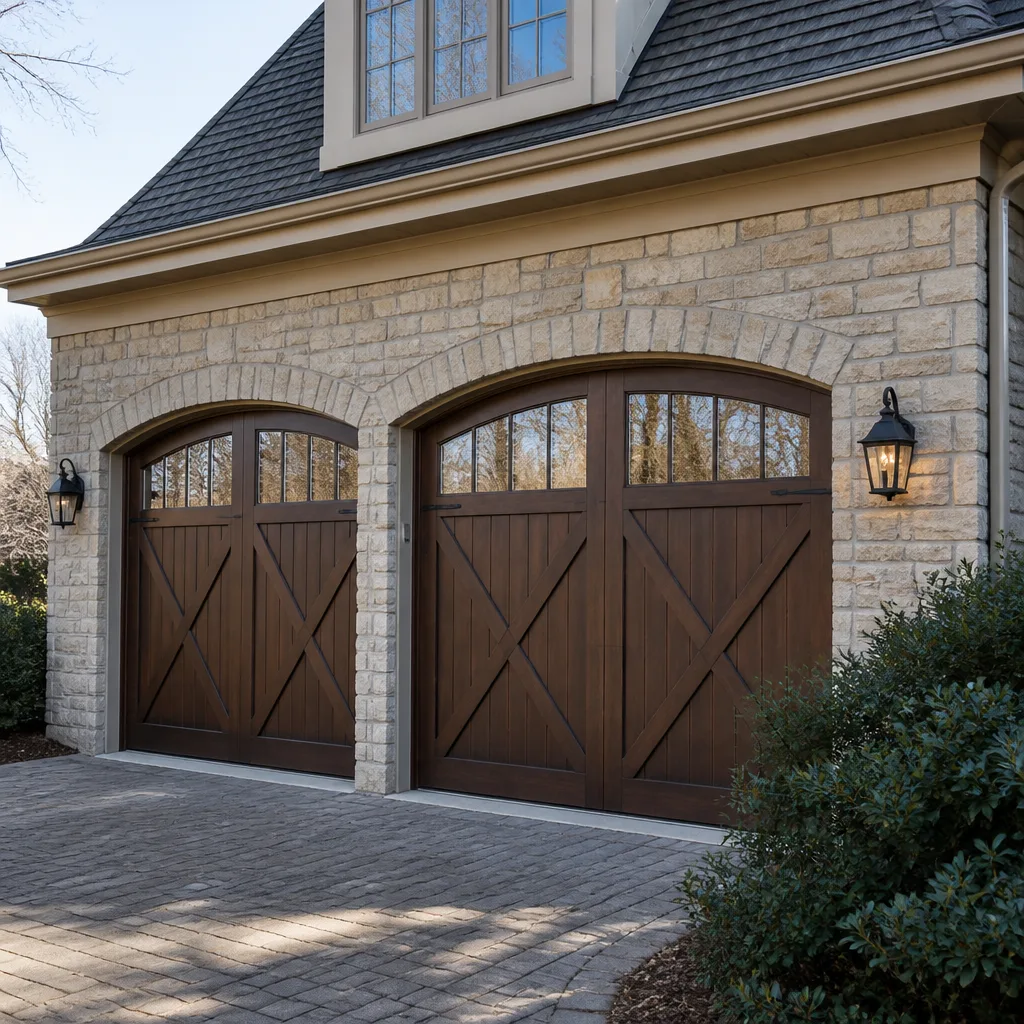 Carriage house
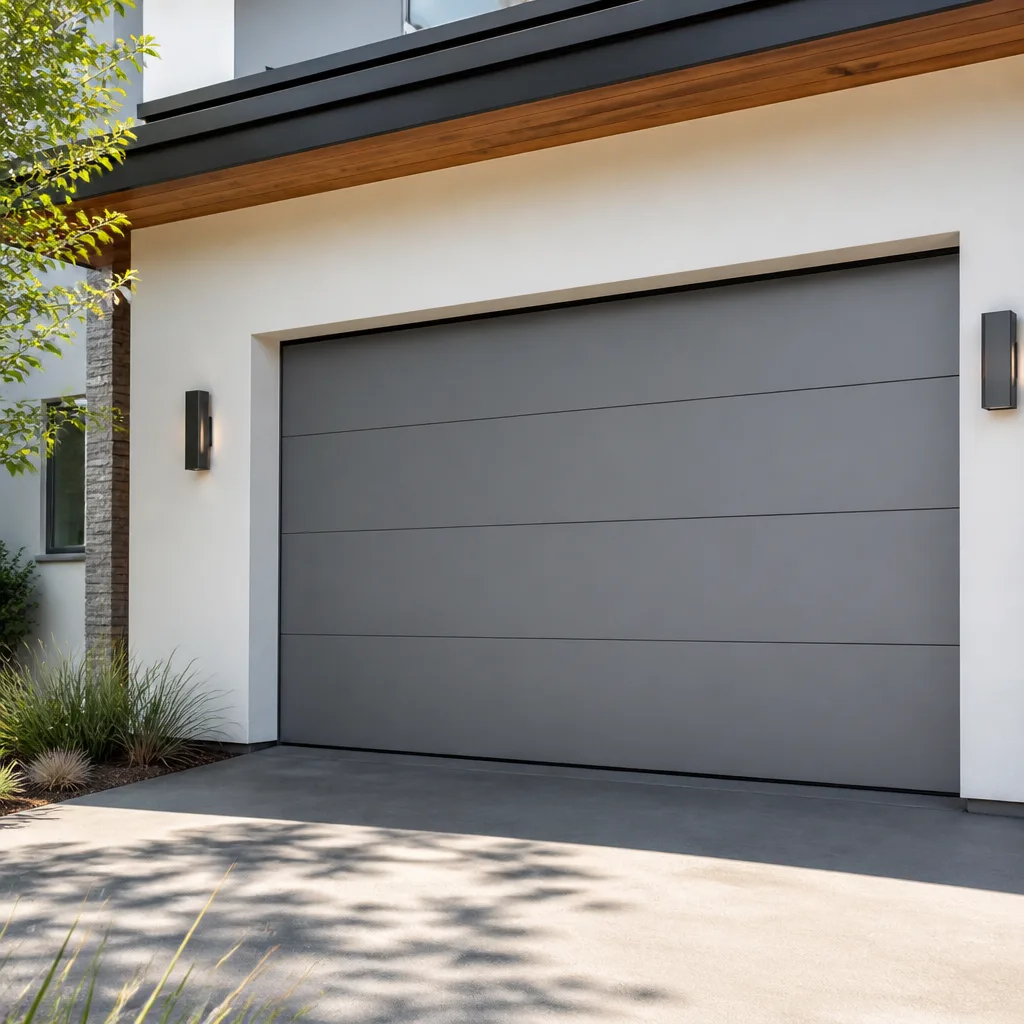 Modern flush
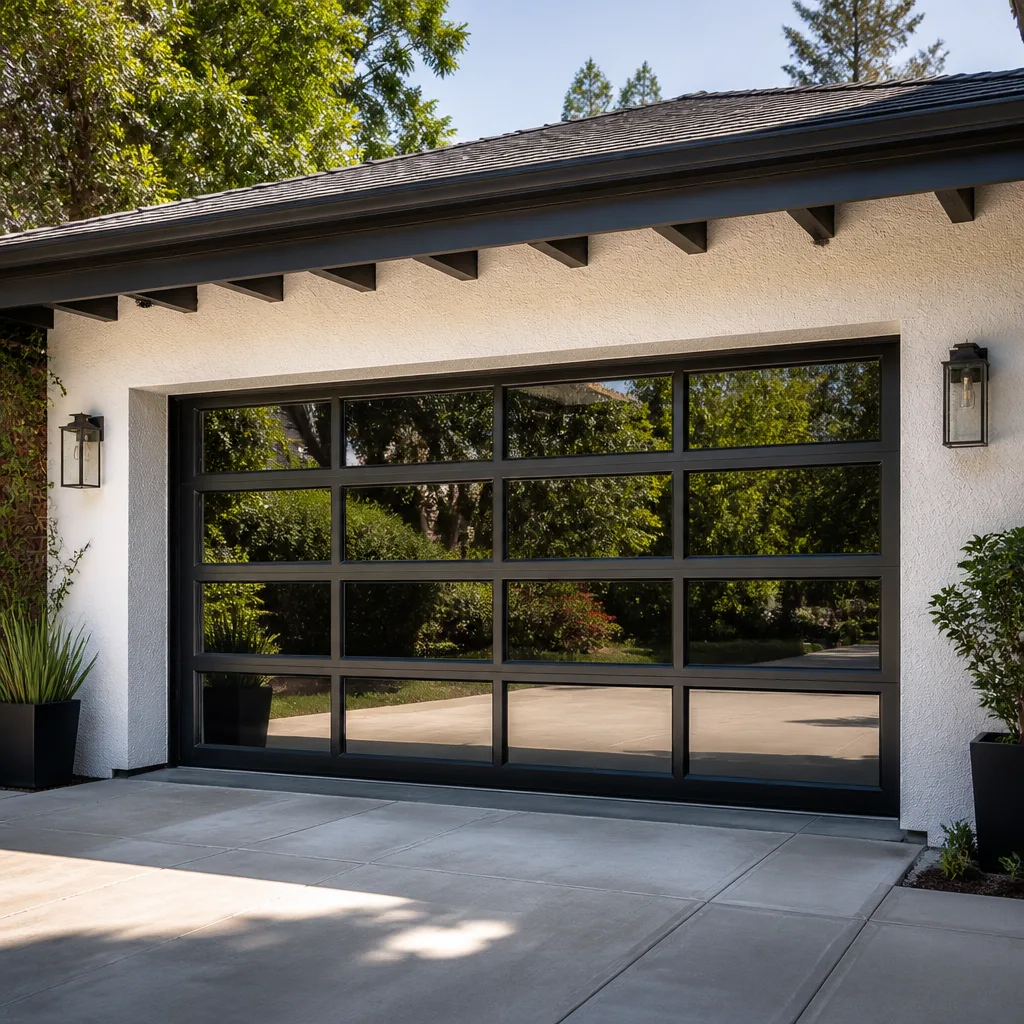 Full-view glass
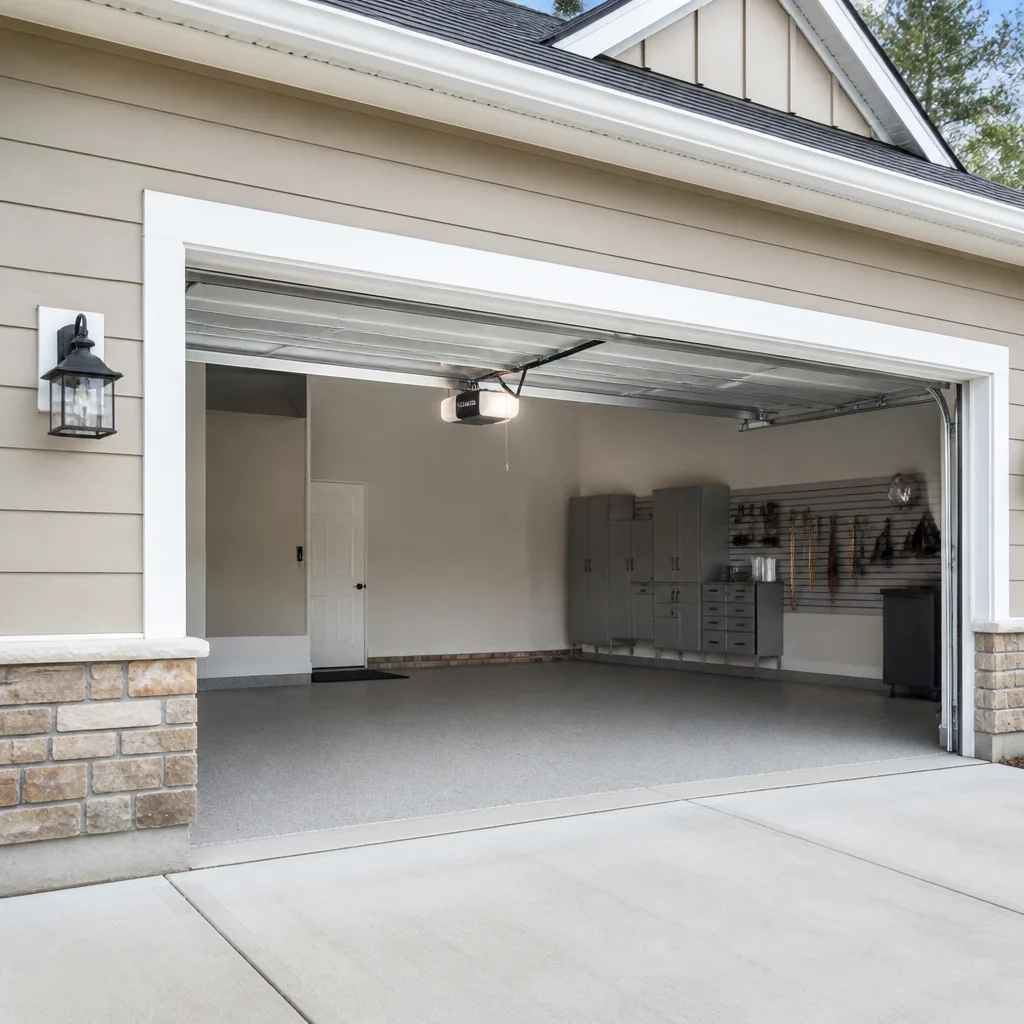 LiftMaster openers
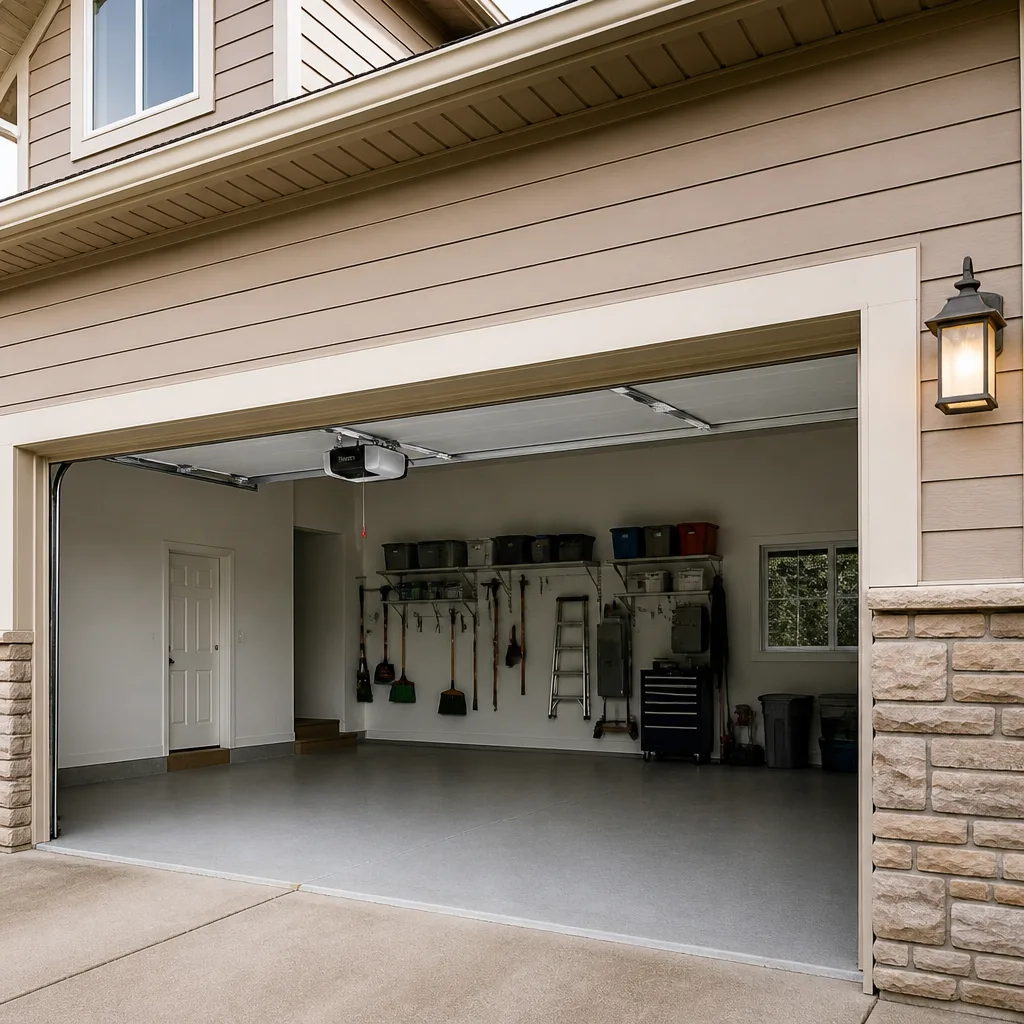 Chamberlain openers
Full 25-point door and opener safety check with every visit - springs, cables, rollers, tracks, and your LiftMaster or Chamberlain opener included
You get a price before we start. It does not change when the pro arrives.
Get your free estimateGarage Door Emergency Preparedness Guide for Framingham Homes
It’s 6:45 AM. Eight inches of new snow came down overnight, you’re already late, and the garage door won’t open. You have about 90 seconds of patience before you start pulling on things that shouldn’t be pulled. That moment is what this guide is for, and the best time to read it is before it happens. Here’s the counterintuitive part: most garage door “emergencies” in Framingham aren’t really emergencies. They’re predictable failures that repeat every cold snap and every nor’easter. A homeowner who’s thought the scenarios through spends forty minutes resolving them instead of four hours improvising. Below, we’ll walk through manual releases, power outages, post-storm checks, and the exact scenarios that justify a call versus the ones you can handle yourself.
Quick Answer
If your garage door won’t open in Framingham, the first step is to check whether the opener has power and whether the door is frozen to the ground or jammed. For a real mechanical failure – a snapped spring, a broken cable, a door off its track, or a door that won’t secure the house – call a garage door specialist immediately. For a tripped breaker, a dead remote battery, or a power outage, you can usually resolve it yourself in minutes using the manual release.
Styles & brands we work with
- Raised-panel steel
- Carriage house
- Modern flush
- Full-view glass
- LiftMaster openers
- Chamberlain openers
Table of Contents
- Why Framingham Garage Door Emergencies Follow Predictable Patterns
- The Manual Release Procedure for the Three Most Common Openers
- Power Outage Protocol: Battery Backup and Safe Operation Without One
- The Post-Storm Checklist: Order of Operations After a Nor’easter
- Two Scenarios That Need an Emergency Call – and Two That Don’t
- What to Tell a Technician When You Call at 7 AM
- Preparing Your Framingham Home Before Winter Arrives
- Brand Fluency: Why It Shortens Every Repair
Why Framingham Garage Door Emergencies Follow Predictable Patterns
Framingham sits in a climate that swings hard. Summers run humid, winters bring deep cold, and nor’easters dump heavy wet snow and ice on the region several times a season. That cycle does specific things to garage doors, and those things happen in roughly the same order every year.
When temperatures drop into the single digits and stay there, metal contracts. Springs under tension – especially older torsion springs – become brittle, and that’s when they snap. It usually happens overnight or first thing in the morning, when the door is cold and someone hits the opener for the first time. February is the heaviest month for spring failures in Framingham for exactly this reason.
Then come the storms. Wet snow piles against the bottom panel, freezes solid overnight, and bonds the door to the apron. Ice builds in the track. Homeowners hit the opener, hear a strain, and hit it again. That’s how a door gets pulled off its track or a gear strips inside the opener.
Storm season also means power outages. Framingham’s older neighborhoods – Saxonville, Coburnville, the streets around downtown – have a lot of mature trees, and a wet snow or an ice storm brings limbs down on lines. A garage door with no battery backup is dead weight in an outage, and if the garage is your primary entry, that matters.
The pattern is the point. If you know what’s coming, you can prepare for it. The rest of this guide is about being ready before the morning it happens.
The Manual Release Procedure for the Three Most Common Openers
Every garage door opener has a manual release, and knowing where it is and how it works is the single most useful piece of garage door knowledge a homeowner can have. The release disconnects the door from the opener so you can lift it by hand. It’s a cord, usually red, hanging from the trolley on the rail above the door.
Here’s the procedure that works on nearly every residential opener:
- Make sure the door is fully closed. Never pull the release with the door open – the door can come down hard.
- Locate the release cord. It hangs from the trolley carriage on the rail. Most are red-handled, but some are plain rope.
- Pull straight down firmly. You’ll feel the trolley disengage from the carriage. One clean pull.
- Lift the door by hand. Use the bottom handle or the frame, not the panels. Lift slowly and evenly.
- Prop or hold the door open. On a door with a broken spring, it will not stay up on its own – do not let go.
Now the brand-specific details. Homes in Framingham most often have one of three systems on the ceiling:
- Chamberlain and LiftMaster: The release cord hangs from the trolley near the motor head. On newer models with a belt or chain drive, the release sits beside the rail, and you’ll hear a distinct click when it disengages. These openers often have a battery backup option built into the head unit.
- Genie: Genie’s release is similar but the trolley shape is different, and on some models the cord hangs closer to the door. Older Genie screw-drive units can be stiff – pull firmly and steadily, not in a jerking motion.
- Craftsman: Craftsman openers are common in older Framingham homes. The release cord is standard, but on some models the carriage has a slide latch you push rather than a pull cord. Check the rail before you assume it’s a cord.
One critical safety note: if the door feels extremely heavy when you lift it, or if it slams down when you release it, a spring is broken. Do not force it. Springs are under enormous tension and can cause serious injury if handled without training. That’s a call-a-professional situation, and it’s exactly the kind of work our garage door repair technicians handle safely.
Power Outage Protocol: Battery Backup and Safe Operation Without One
When the power goes out in Framingham during storm season, the first question is whether your opener has battery backup. Many modern openers do, and many older ones don’t. Knowing which you have before the lights go out saves a lot of frustration.
Battery backup openers run on a rechargeable battery inside the head unit. When the power drops, the opener switches to battery and continues to operate normally – usually for a limited number of cycles before the battery needs a charge. Chamberlain and LiftMaster smart openers commonly include this feature, and it’s one of the reasons those brands appear in so many newer Framingham homes. Genie offers it on select models as well.
If you have battery backup:
- Test it once before storm season by unplugging the opener and cycling the door.
- Check the battery indicator light on the head unit – most models show status.
- Replace the battery on the schedule the manufacturer recommends, not when it fails.
If you don’t have battery backup, you have one safe option: the manual release. Pull the release cord with the door closed, lift the door by hand, and secure it. Never leave a door propped open with a car or a brick – use the door’s own locking mechanism or a proper brace. And never try to “help” a powered opener by lifting the door while it’s trying to run on a dying circuit; that’s how gears strip.
If the outage is extended and you need to secure the home, a manual-release door that’s been lowered and locked is fine. A door stuck halfway, or one that won’t latch, is not – call for help. Our garage door opener repair team works on battery backup and smart opener systems and can tell you whether your unit supports a backup module.
The Post-Storm Checklist: Order of Operations After a Nor’easter
After a nor’easter, the temptation is to hit the opener and see if the door works. Don’t. A door that’s been under load from snow and ice needs to be checked first, in a specific order. Doing it wrong is how a door gets pulled off its track or an opener burns out.
- Clear the snow and ice from the door’s base. Use a plastic shovel or a broom – metal tools scratch the panels, and a shovel blade against the bottom seal tears it. Get the apron clear so the door can travel down.
- Check the tracks for ice. Run a gloved hand along the inside of both tracks. Any ice buildup at the bottom needs to come out before the door moves. Warm water in a spray bottle works; never use a hammer or chisel.
- Look at the springs and cables. From a safe distance, look for a visible gap in a torsion spring or a cable that’s come off its drum. If either is damaged, stop here and call.
- Test the door by hand first. With the opener disengaged (manual release, door closed), lift the door a foot and let it settle. It should move smoothly. If it binds, grinds, or won’t stay up, there’s a mechanical problem.
- Re-engage and run the opener once. Watch and listen. A strained motor or a door that reverses immediately is a signal to stop and get it looked at.
This order matters because each step protects the next. Clearing the base prevents track damage. Checking the tracks prevents roller damage. Checking the springs prevents a dangerous lift. Testing by hand tells you whether the opener should ever be engaged at all.
Framingham’s older homes often have doors that have been through many winters, and the hardware shows it. If you’re noticing the door getting heavier or slower each season, that’s a sign the springs are near the end of their life. A pre-winter check is cheaper than a mid-storm failure.
Two Scenarios That Need an Emergency Call – and Two That Don’t
Not every garage door problem is an emergency, and knowing the difference keeps you from paying for urgency you don’t need. Here’s the honest breakdown.
Call now:
- A broken spring. You’ll hear a loud bang, and the door will feel impossibly heavy or won’t lift at all. A door with a broken spring is not safe to operate, and the spring itself is under dangerous tension. This is the most common garage door emergency in Framingham, and it’s the one that most justifies a same-day call.
- A door that won’t secure the home. If the door is stuck open, off its track, or won’t latch, your house is open to the weather and to anyone walking by. That’s a security issue, and it’s what our Framingham Garage Door Repair emergency line exists for.
Handle it yourself first:
- A tripped breaker. If the opener is completely dead and the lights are on elsewhere in the house, check the panel. A GFCI outlet in the garage can also trip. Reset it and try again before you call anyone.
- A dead remote or keypad battery. If the wall switch works but the remote doesn’t, it’s almost always the battery. Change it. If the keypad is dead, same thing.
The distinction saves real money and real time. A tripped breaker is a two-minute fix. A broken spring is not something to troubleshoot yourself. Emergency garage door service is a dedicated part of what we do, and we’d rather you call for the real thing than struggle with it – but we’d also rather you not call for a breaker reset.
What to Tell a Technician When You Call at 7 AM
When you call for emergency service, the information you give in the first thirty seconds determines how fast the right technician with the right parts gets to you. Here are the four pieces of information that cut dispatch time most.
- The brand and model of your opener, if you know it. Look at the head unit on the ceiling – the label is usually on the back or side. Chamberlain, LiftMaster, Genie, and Craftsman all have distinct shapes, and the model number helps us bring the right parts.
- What the door is doing right now. Won’t open at all? Opens a foot and reverses? Opens but won’t close? Makes a grinding noise? Each symptom points to a different failure – opener gear, safety sensor, spring, or track.
- Whether the door is secure. Is it fully closed, stuck open, or halfway? This tells us the urgency level and whether you need a temporary fix first.
- Whether you’ve already tried the manual release. If you’ve disengaged the door and it’s still stuck, that tells us the problem is mechanical, not electrical.
With those four things, we can usually tell you whether it’s a same-day repair or something that needs a scheduled visit. Our technicians have up to 14 years of experience, and they’ve seen every variation of these failures in Framingham homes. Call (844) 443-3741. We answer 24/7. Fast dispatch from 7am to 7pm, Sunday through Friday.
One more thing: if the door is stuck open and you’re worried about security, say so. We can talk you through a temporary way to secure it while you wait.
Preparing Your Framingham Home Before Winter Arrives
The best garage door emergency is the one that never happens. A little preparation in the fall pays off through the winter, and it’s genuinely simple.
- Test the door balance. Disengage the opener and lift the door halfway by hand. It should stay there. If it drops, the springs are losing tension and should be checked.
- Lubricate the moving parts. Rollers, hinges, and the torsion spring (a light spray, not a soak) benefit from a proper garage door lubricant before the cold sets in.
- Check the weather seal. A worn bottom seal lets snow and water in, which freezes and bonds the door to the floor. Replace it if it’s cracked or flattened.
- Test the safety reverse. Put a piece of wood flat on the ground under the door and close it. The door should reverse on contact. If it doesn’t, the sensors need adjustment.
- Clear the tracks. Debris and old grease in the tracks cause binding, and binding gets worse in cold weather.
- Verify battery backup if you have it. Unplug the opener and cycle the door once to confirm the battery still holds a charge.
If your door is older and the hardware is showing wear, a pre-winter inspection is a good investment. And if the door itself is past its useful life, our garage door installation service covers full replacement with brands like Clopay and Amarr, measured and scheduled so it’s done right before the snow flies.
Brand Fluency: Why It Shortens Every Repair
Garage doors aren’t a generic product. A Chamberlain opener and a Genie opener have different trolleys, different release mechanisms, and different failure modes. A Clopay door and an Amarr door have different panel construction and different hardware. A technician who works on the same brands every day diagnoses faster because the symptoms map to known patterns.
We work on the brand already on your door. Our technicians are experienced with LiftMaster, Chamberlain, Genie, Clopay, Amarr, Wayne Dalton, Craftsman, and Raynor products, which covers the overwhelming majority of what’s hanging in Framingham garages. That means we’re not guessing at parts or ordering something that doesn’t fit. It also means we can tell you honestly whether a repair makes sense or whether you’re better off replacing an aging unit.
Spring repair is its own specialty. Torsion and extension springs are the most dangerous components on a garage door, and they’re not a place for general handiwork. Our spring work is done by trained technicians, not whoever happens to be available – that’s a safety distinction that matters more than most homeowners realize.
The full arc matters too. Repairs, opener service, spring replacement, and new-door installation all come from the same company, so you’re not bouncing between a handyman, an electrician, and an installer for one problem. One call covers it.
Common Mistakes to Avoid
- Pulling the manual release with the door open. This is the most common and most dangerous mistake. The door can come crashing down. Always release with the door fully closed.
- Forcing a frozen door with the opener. When a Framingham door is bonded to the ground by ice, the opener doesn’t know it – it just strains. Repeated attempts strip gears and burn out motors. Clear the ice first.
- Trying to fix a broken spring yourself. Torsion springs are under hundreds of pounds of tension. A slipped winding bar can cause serious injury. This is not a DIY repair, and no amount of online video makes it one.
- Ignoring a door that reverses for no reason. A door that opens a foot and reverses usually has a safety sensor problem, but it can also mean the door is binding. Left alone, it gets worse and sometimes strands you.
- Assuming every problem is the opener. A door that won’t close may have a dead opener, a misaligned sensor, a broken spring, or a track obstruction. Diagnose before you replace.
- Skipping the pre-winter check. Framingham winters are hard on garage door hardware. A fall inspection catches worn springs and seals before they fail in a storm.
- Waiting until the door fails to learn the manual release. The time to find the red cord is not in the dark at 6:45 AM. Walk out and locate it today.
See the difference
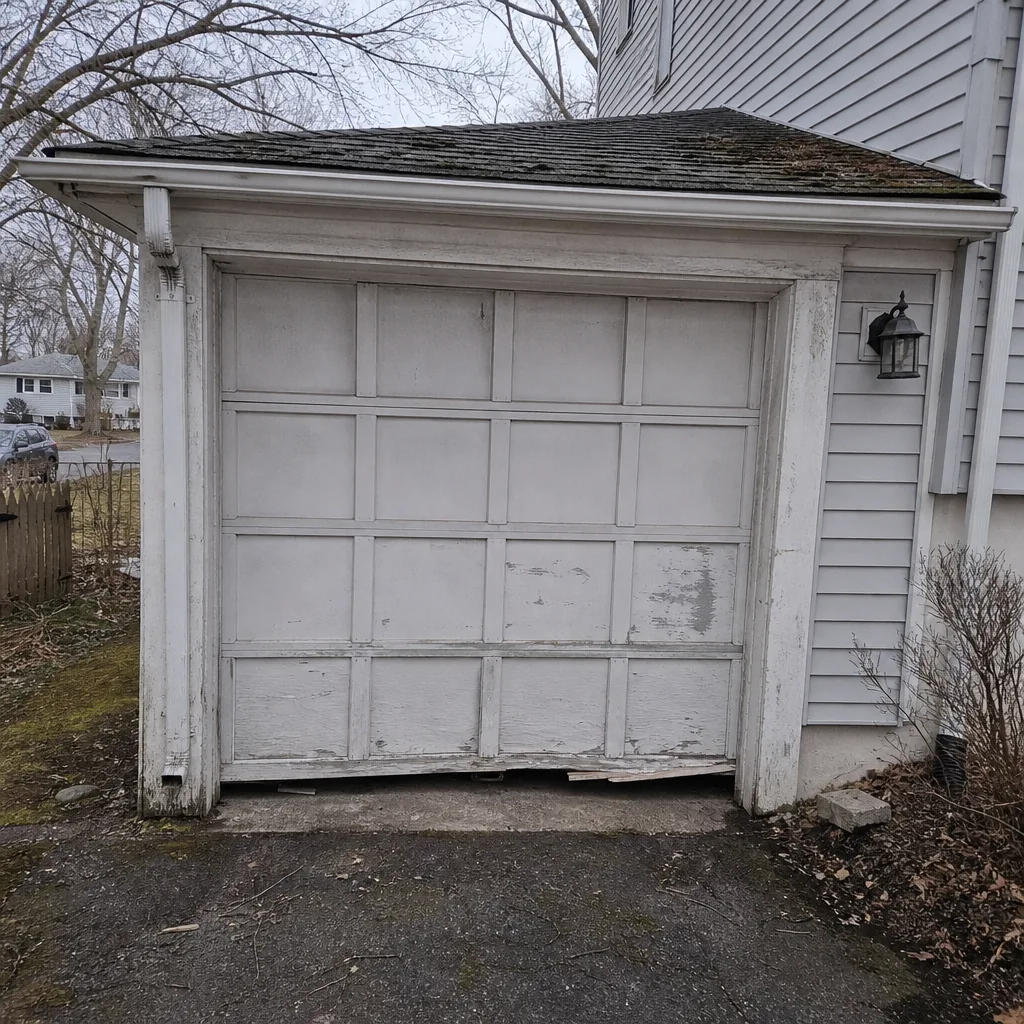 Before
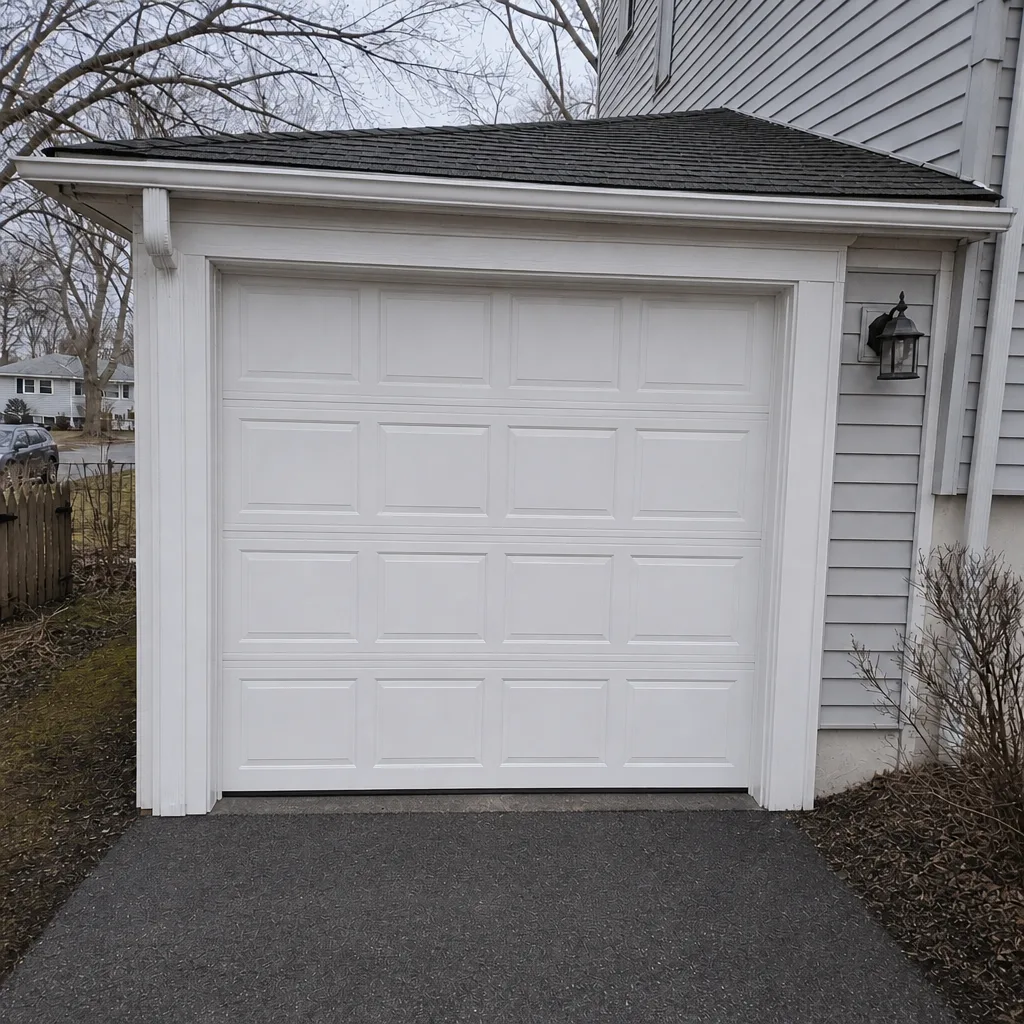 After
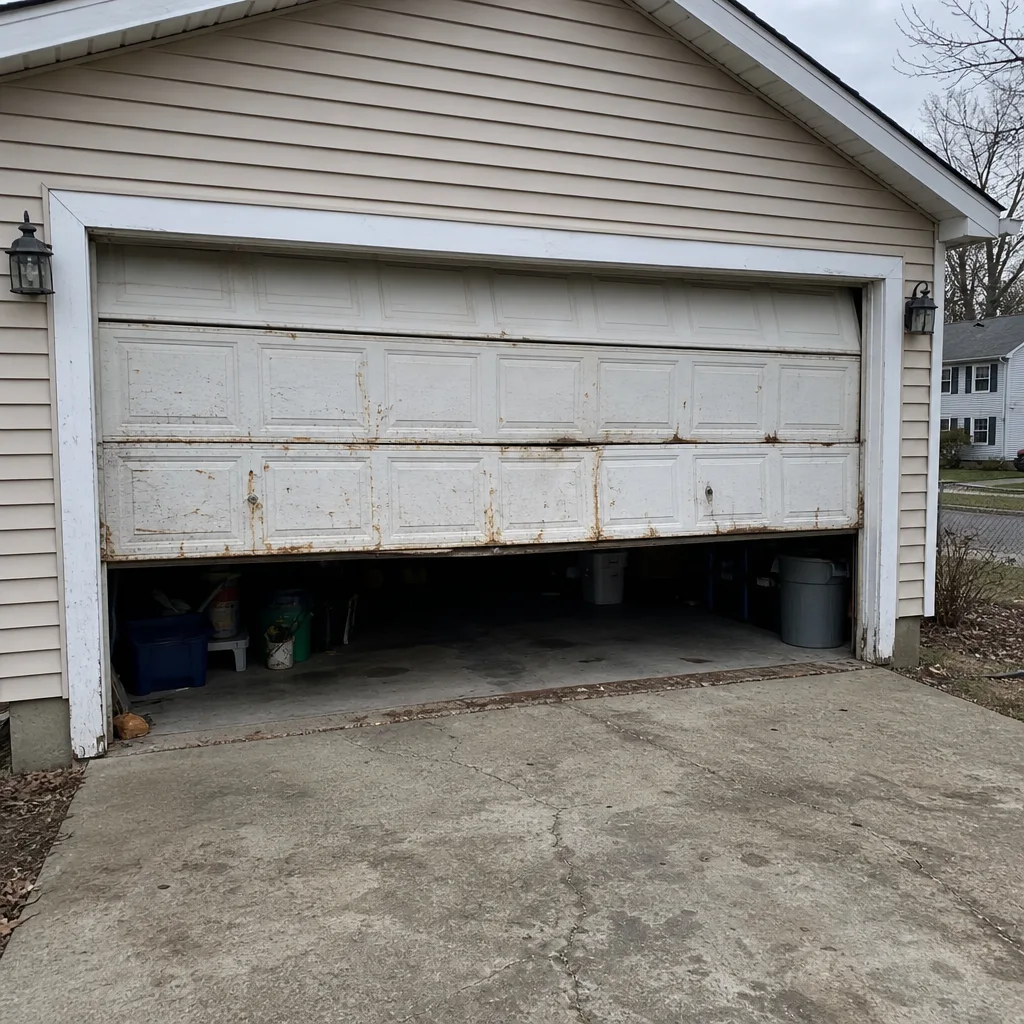 Before
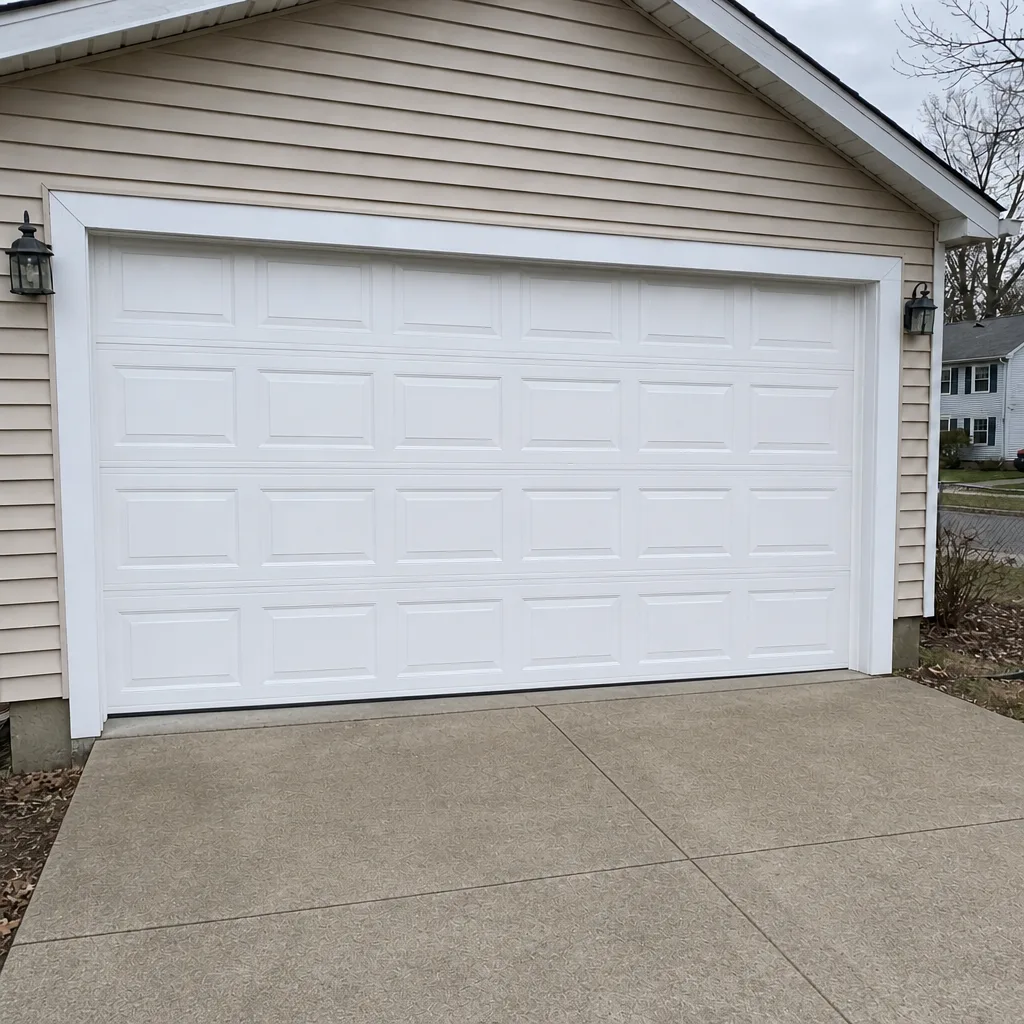 After
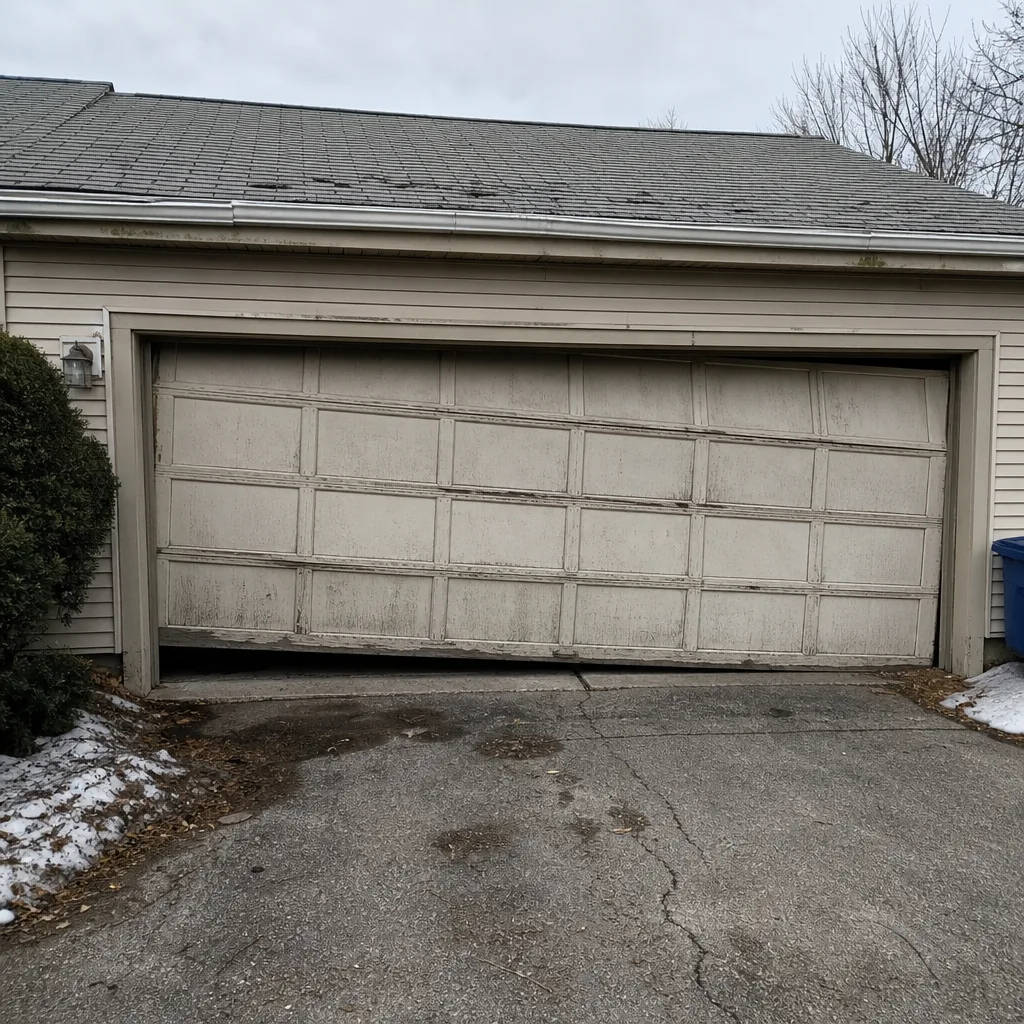 Before
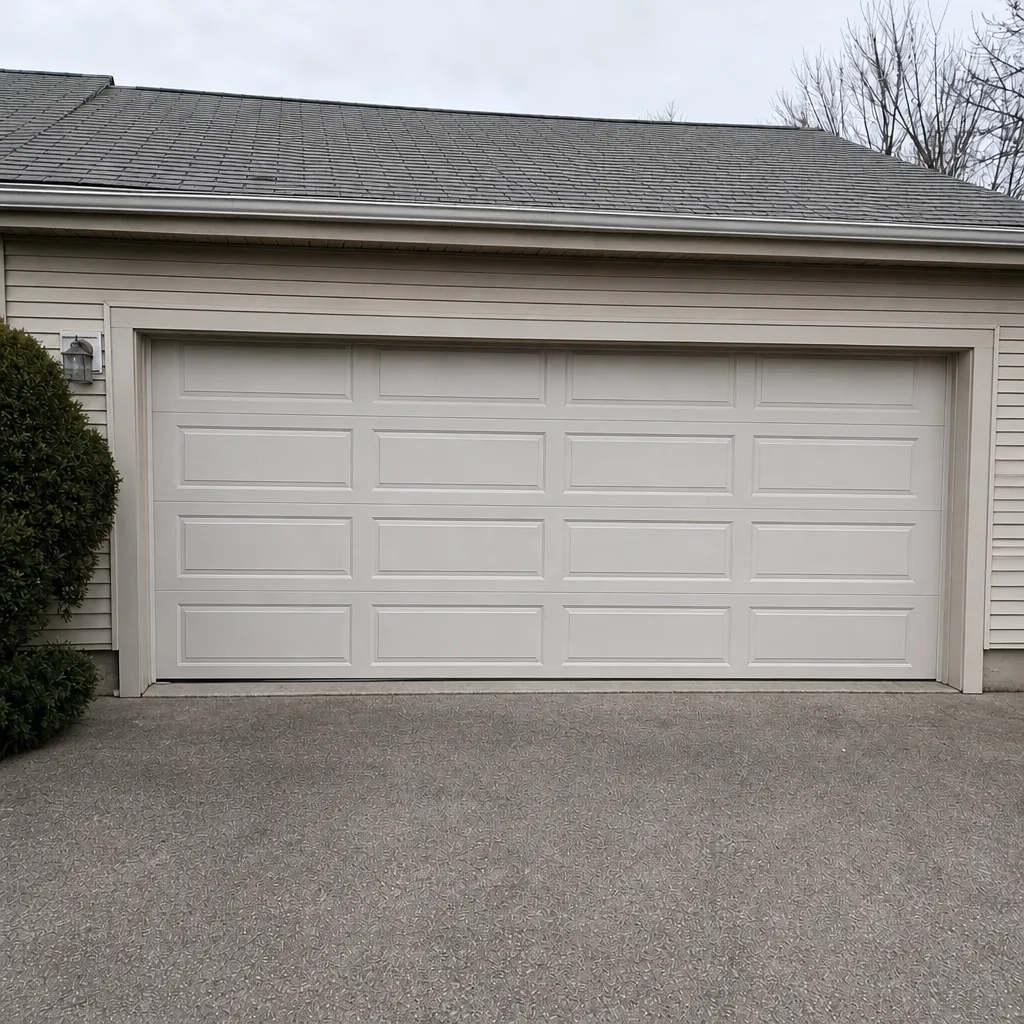 After
When to Call a Professional
Call a professional for anything involving springs, cables, tracks that have bent or come loose, a door that won’t stay up, or a door that won’t secure the house. Those are the scenarios where the risk of injury or further damage outweighs any savings from a DIY attempt. Call us for a door that’s making new noises, reversing unpredictably, or failing to close fully – those are often simple fixes caught early. Don’t call for a tripped breaker, a dead remote battery, or a power outage you can handle with the manual release. Framingham Garage Door Repair offers free estimates in Framingham – call (844) 443-3741. We answer 24/7, with fast dispatch from 7am to 7pm, Sunday through Friday.
Frequently Asked Questions
Pull the red release cord hanging from the trolley on the rail, with the door fully closed, then lift the door by hand. The manual release disconnects the door from the opener, so you can operate it without power. If the door feels extremely heavy or won’t stay up, a spring is likely broken – stop and call a professional.
Clear the snow and ice from the door’s base and check the tracks for ice before you touch the opener. A door bonded to the ground by frozen snow will strain the opener and can strip its gears if you force it. Once the base and tracks are clear, test the door by hand with the opener disengaged.
Check the head unit on your ceiling for a battery compartment or a battery status light. Many Chamberlain and LiftMaster smart openers include backup, and select Genie models do as well. To test it, unplug the opener and cycle the door once – if it operates, the backup is working.
Yes. A broken spring makes the door unsafe to operate and, in most cases, impossible to lift safely by hand. You’ll usually hear a loud bang when it happens, and the door will feel very heavy. This is the most common garage door emergency in Framingham, and it warrants a same-day call.
Pricing is set per job by a written estimate, and we quote it before any work starts. The cost depends on the specific failure – a spring repair, a cable, a track adjustment, or an opener issue – so there’s no single number. Call (844) 443-3741 for an exact quote – estimates are free.
In most cases, yes. A door that won’t close is a security issue, and we treat it as a priority. Call (844) 443-3741 and tell us the brand of your opener and what the door is doing. We answer 24/7, and fast dispatch runs from 7am to 7pm, Sunday through Friday.
No. The written estimate sets the price, and we quote it before any work begins. If the diagnosis reveals a different problem than expected, we’ll explain it and re-quote before proceeding – you’ll never get an invoice for more than you agreed to.
The local professionals we connect you with are licensed and insured as their state requires. Our technicians have up to 14 years of experience and are trained on the major brands, including spring and opener work. Call (844) 443-3741 for details on your specific job.
The Bottom Line
Garage door emergencies in Framingham follow patterns, and knowing the patterns is most of the battle. Learn where your manual release is and how it works. Test your battery backup before storm season. Clear snow and ice from the door’s base before you hit the opener. Know the difference between a broken spring (call now) and a tripped breaker (fix yourself). And when you do call, have your opener brand, the door’s symptom, and the security status ready – those four pieces of information cut dispatch time. Preparation turns a four-hour panic into a forty-minute fix. When you need help, call (844) 443-3741 for a free estimate.
Written by the team at Framingham Garage Door Repair.