
Last updated November 22, 2026
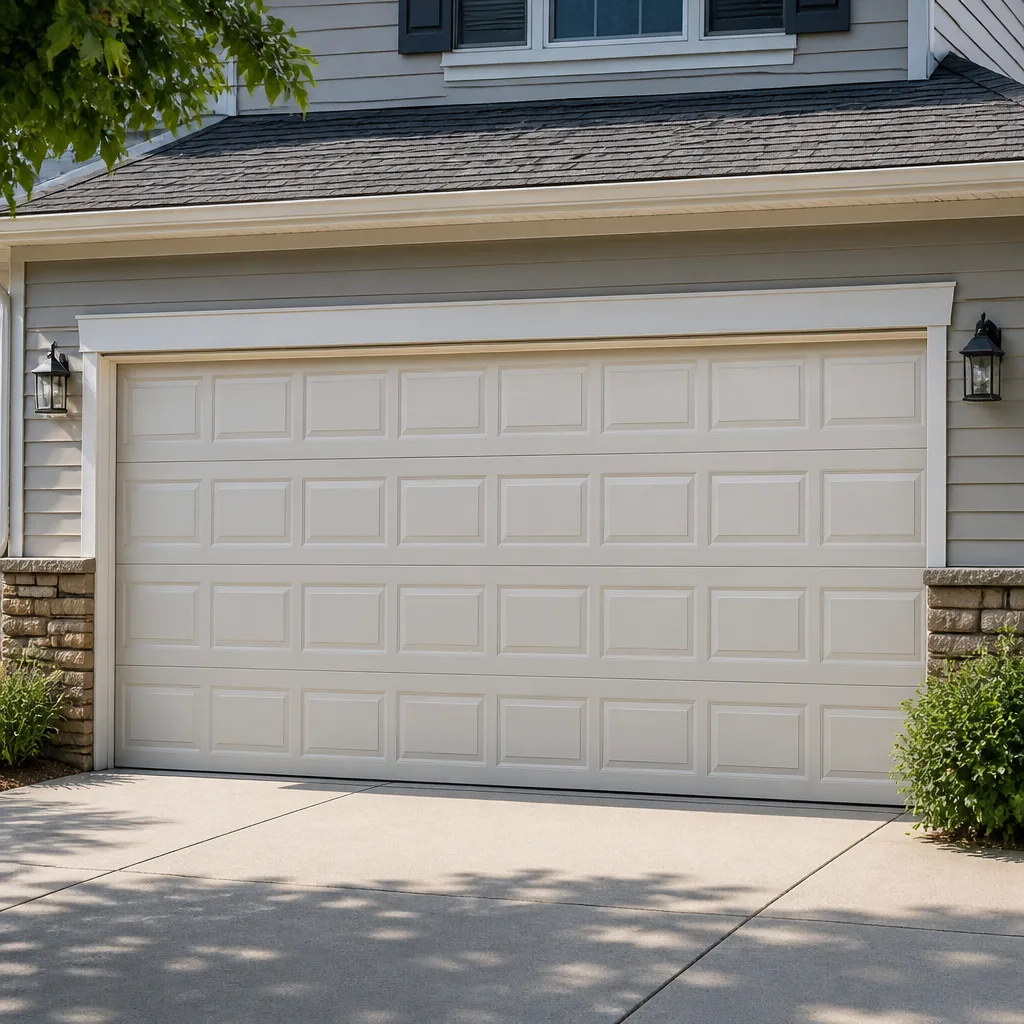 Raised-panel steel
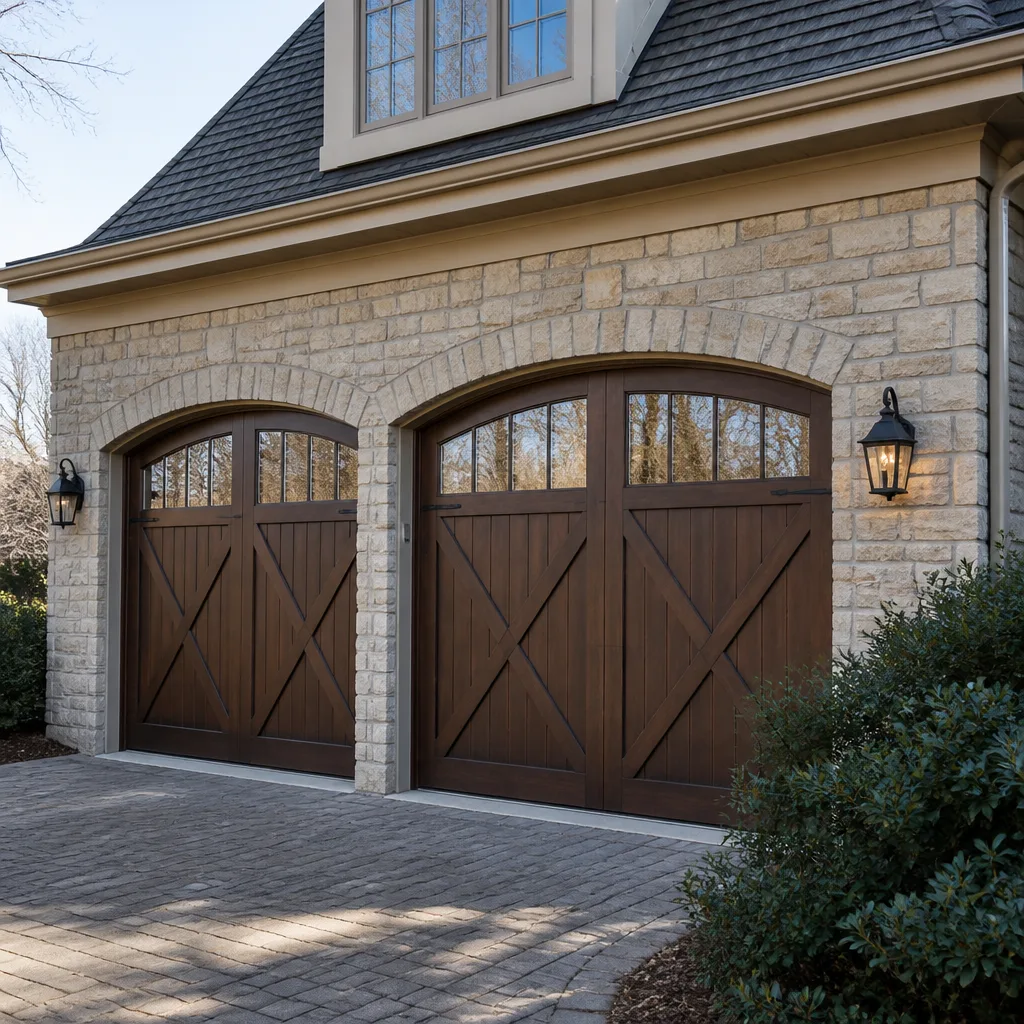 Carriage house
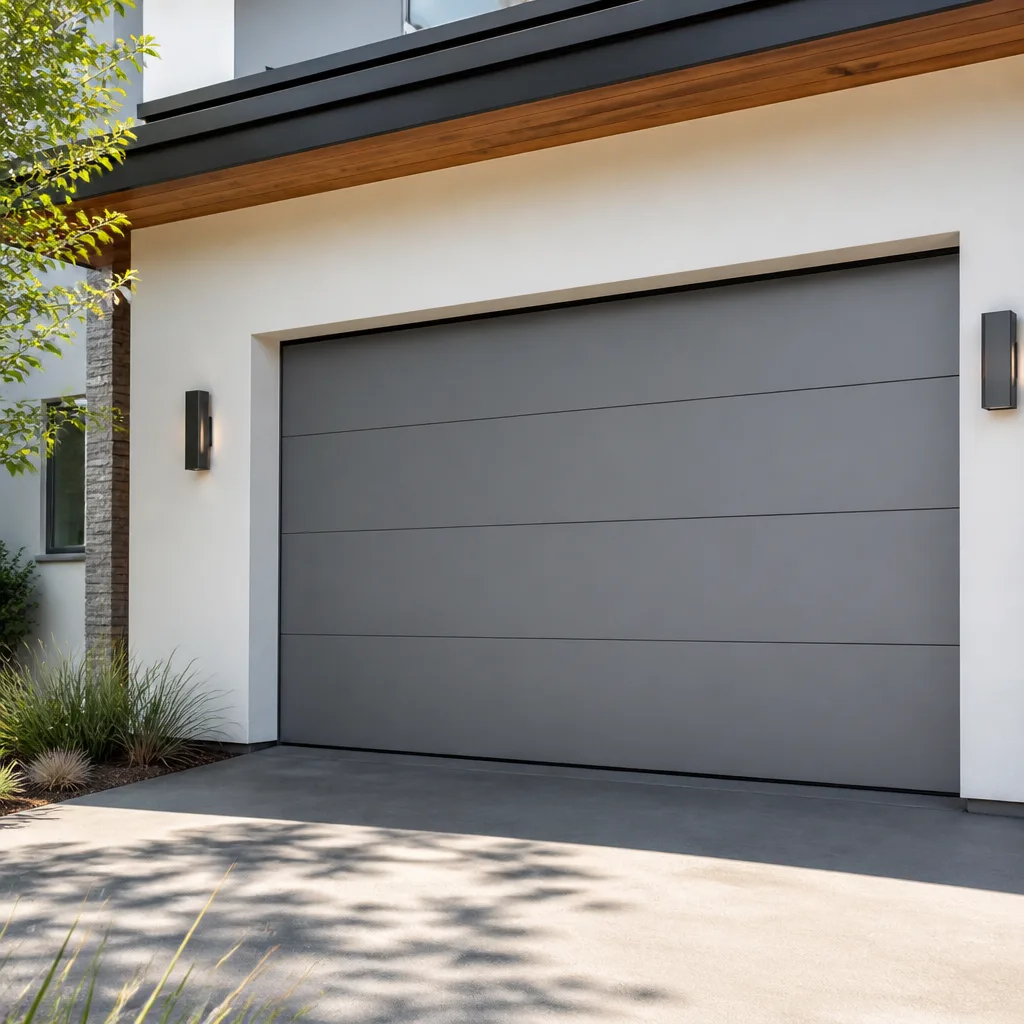 Modern flush
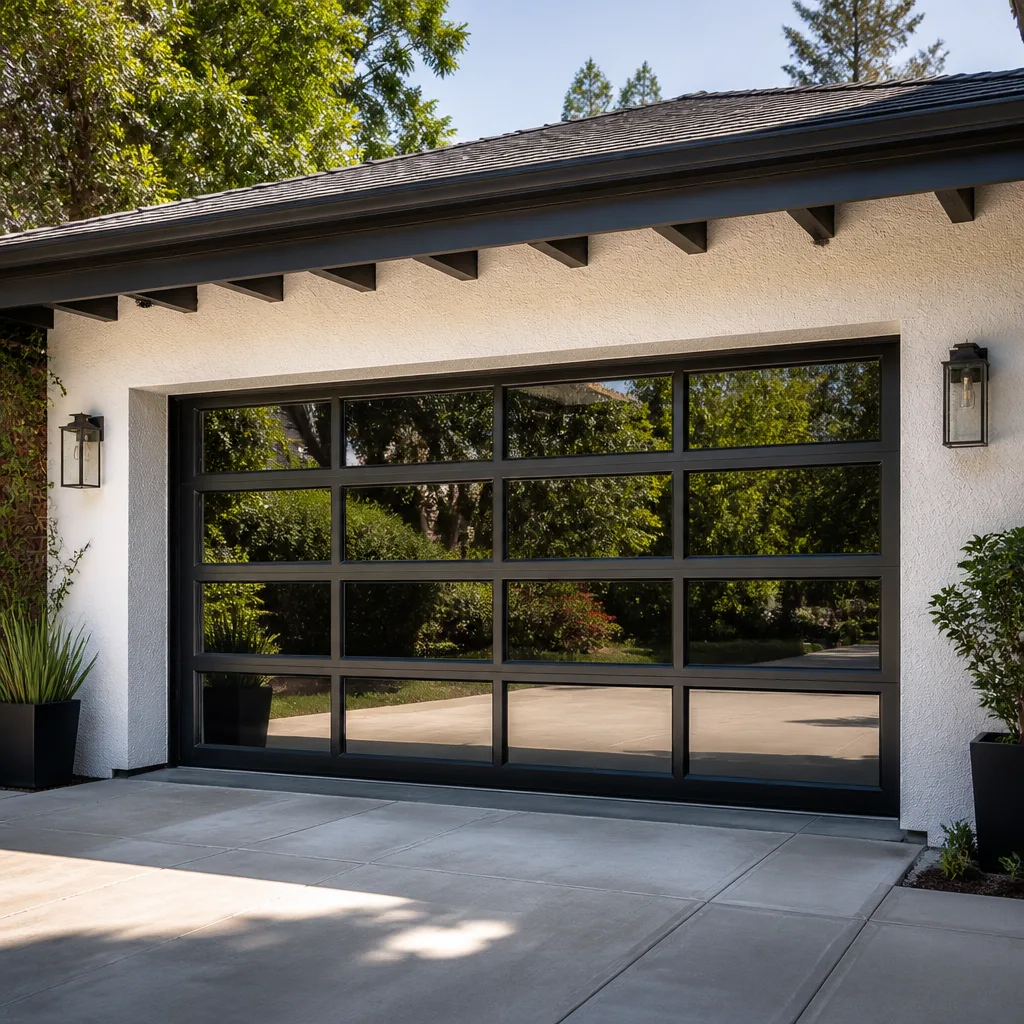 Full-view glass
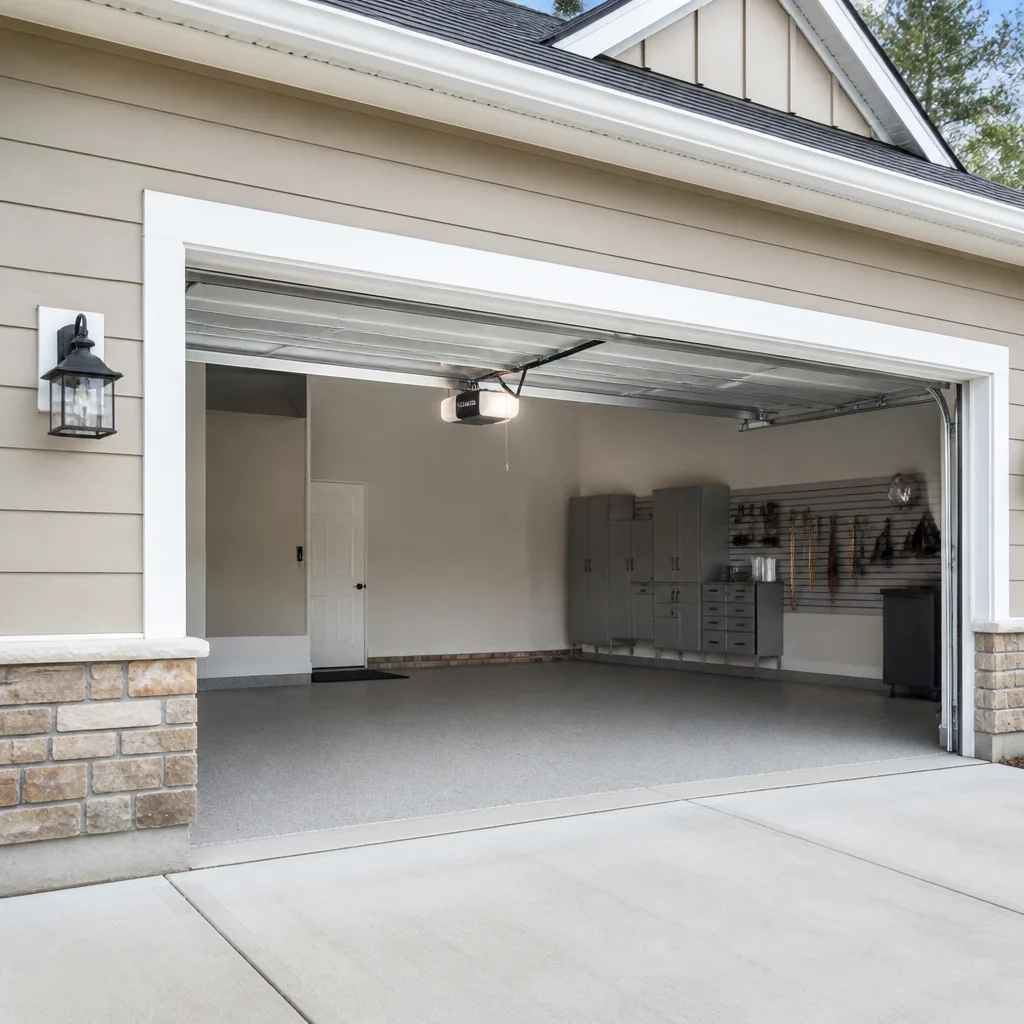 LiftMaster openers
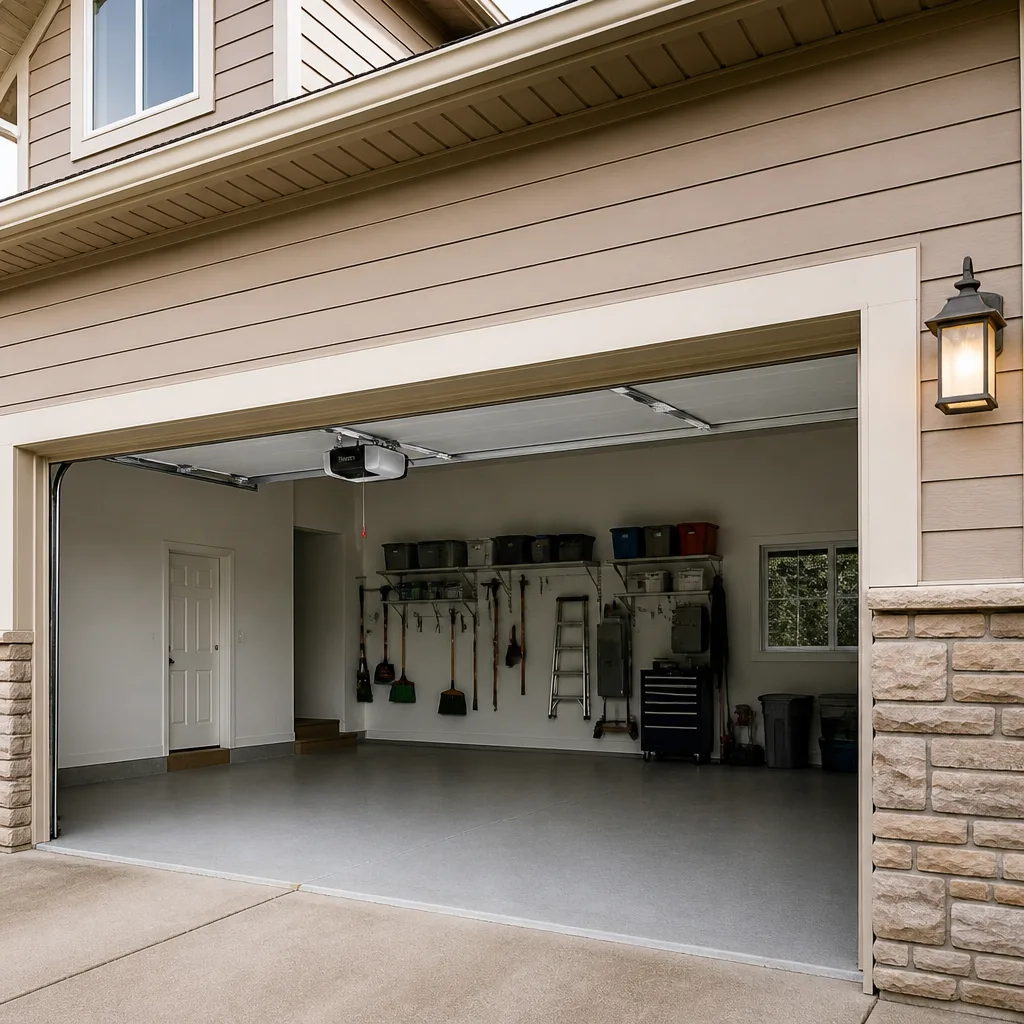 Chamberlain openers
Full 25-point door and opener safety check with every visit - springs, cables, rollers, tracks, and your LiftMaster or Chamberlain opener included
You get a price before we start. It does not change when the pro arrives.
Get your free estimateThe Complete Guide to Garage Doors in Framingham
Most garage door guides are written for a mythical average American home. Framingham isn’t average. The town holds some of the oldest residential stock in MetroWest, and its winters swing roughly 80°F between a humid summer afternoon and a January cold snap. Drive through neighborhoods off Route 9 or near Saxonville and you’ll pass 1950s ranches, older colonials, and newer subdivisions inside a few minutes. Each one asks something different of the largest moving part on the house. This guide maps every decision, from material and mechanism to insulation and service, against the conditions Framingham homeowners actually live with.
Quick Answer
A garage door in Framingham should be chosen for thermal performance first, weather sealing second, and style third, because the local freeze-thaw cycle and long heating season punish a poorly sealed door far more than they punish a plain-looking one. Steel insulated doors handle the climate well, torsion springs outlast extension springs in heavy daily use, and any repair involving springs or cables belongs with a trained technician. Match the door to your home’s framing and header clearance before you fall for a showroom model.
Styles & brands we work with
- Raised-panel steel
- Carriage house
- Modern flush
- Full-view glass
- LiftMaster openers
- Chamberlain openers
Table of Contents
- How Framingham’s Older Housing Stock Shapes Door Choice
- Insulation and the Framingham Climate
- The Freeze-Thaw Cycle and Your Hardware
- HOA Neighborhoods and Style Restrictions
- Openers: Electronics, Safety Sensors, and Smart Systems
- Springs, Cables, and the Safety Line
- Choosing a Material That Fits the House
- What Same-Day Service Really Means Locally
How Framingham’s Older Housing Stock Shapes Door Choice
Pre-1970s framing is the single biggest complication in Framingham garage door work, and most national buying guides never mention it. Older garages were often built with a header that sits lower than a modern standard, openings that are slightly out of square, and framing lumber that has dried and shifted over decades. A door measured from a brochure won’t fit. A door measured on site will.
What this means in practice:
- Header clearance: Torsion springs and openers need headroom above the opening. Some older Framingham garages have enough for an extension spring setup but not for a standard torsion install without an adjustment.
- Out-of-square openings: A door that’s perfectly rectangular in the factory can bind in an opening that’s an inch off. Track adjustment and shimming are normal on older homes here.
- Low-clearance situations: Some older garages have ceiling obstructions that call for a low-clearance track or a side-mounted opener rather than a standard rail.
- Framing condition: Rotted or softened header lumber near the grade line shows up in older stock, and it needs attention before a new door goes up.
The lesson is simple: always measure in person before ordering anything. That’s why a free on-site measure is the first step of any garage door installation we’re involved in, and it’s why we don’t quote a new door from a phone photo.
Insulation and the Framingham Climate
Insulation gets sold on marketing labels, but what matters is whether the door separates your garage from conditioned space and how much heat escapes through it during a long heating season. An attached garage with a bedroom above it is a different problem than a detached garage that only stores the car.
Here’s how to think about it for a Framingham home:
- Is the garage attached or detached? Attached garages share walls with the house, so a poorly insulated door raises the load on whatever heats the rooms behind it.
- Is there living space above? A room over the garage needs the door to hold in more heat than a garage with nothing above it.
- How is the garage used? A workshop, a home gym, or a mudroom conversion raises the priority on insulation. A pure car-storage bay lowers it.
- How does the door seal? Insulation means little if cold air whistles past the bottom seal and the perimeter weatherstripping.
Polyurethane-filled steel panels hold heat better than polystyrene panels of the same thickness, and both beat a non-insulated single-sheet door. If you want the honest version for your specific house, ask for the rated R-value on the door you’re considering and compare it, not the marketing name. For the insulation side of a replacement, our team handles it under Framingham Garage Door Repair.
The Freeze-Thaw Cycle and Your Hardware
Pure cold is hard on rubber. Framingham’s freeze-thaw swing is harder. When the temperature hovers around freezing, melting snow and road spray pool at the bottom of the door, soak the bottom seal, freeze overnight, and expand. Do that several times in a season and the seal cracks, the gap grows, and meltwater starts finding its way onto the garage floor.
What the freeze-thaw cycle typically wears out first:
- Bottom seals: The rubber or vinyl astragal at the base of the door takes the brunt. It’s the most replaced component in this climate for a reason.
- Hinges and rollers: Repeated freezing of any moisture that reaches the joints stiffens them and speeds wear. Clean, lightly lubricated hardware lasts longer.
- Weatherstripping around the frame: Perimeter seals get brittle with repeated freeze cycles and stop springing back.
- Metal fasteners and track joints: Any moisture that reaches bare fasteners works on them through repeated freeze and thaw.
A quick visual check after every big thaw: run your hand along the bottom seal, look for daylight at the corners, and watch the door travel for any grinding or hesitation. Small issues caught after a thaw cost far less than a full hardware rebuild in July.
HOA Neighborhoods and Style Restrictions
Framingham has active HOA neighborhoods, and newer subdivisions often carry architectural review rules that constrain what you can put on your garage. Neighborhoods like Regency and various newer subdivisions typically review the style, color, panel pattern, and window placement before approving a replacement. Rules vary by association, so read your governing documents before you shop.
What HOA restrictions usually cover:
- Panel style: Raised-panel, carriage-house, or flat-panel may be specified.
- Window options: Some associations require consistent window rows across the street.
- Color: Often matched to an approved palette or to the trim of the house.
- Material: Steel vs. wood-look composite is sometimes spelled out.
- Hardware: Decorative hinges and handles may be approved or prohibited.
Order the door after approval, not before. If the door arrives and doesn’t match the association’s specification, you own the problem. That’s a conversation worth having with your board first, and then with us about which Clopay or comparable profile fits the approved style.
Openers: Electronics, Safety Sensors, and Smart Systems
Opener problems usually aren’t the motor. In our experience, most “the opener is broken” calls end up being a misaligned safety sensor, a worn drive gear, a dead remote battery, or a limit switch that’s drifted out of adjustment. Diagnosing which one takes ten minutes with the right approach and a lot of guessing without it.
Common opener symptoms and their usual causes:
- Door stops and reverses immediately: Safety sensors blocked, misaligned, or wired loose. Check for cobwebs or a knocked-out bracket first.
- Motor hums but door doesn’t move: Worn drive gear, stripped sprocket, or a broken spring carrying the door’s weight.
- Remote works from up close only: Battery, antenna, or interference from a smart-home hub or LED fixture.
- Door won’t close from the wall button: Limit switch or travel adjustment has drifted.
- Smart opener drops Wi-Fi: Network band or router issue, often solved by a firmware update or a closer access point.
We work on LiftMaster and Chamberlain smart openers alongside older legacy units, and we know the Genie line too, so we’re not installing something unfamiliar. Our garage door opener repair covers both older chain-drive systems and current connected models, and we always test the safety reverse before we leave.
Springs, Cables, and the Safety Line
Garage door springs and cables are under extreme tension, and they can cause serious injury if handled without the right tools and training. If you take one thing from this guide, take this: don’t attempt spring or cable work yourself. A trained technician uses winding bars and specific procedures for a reason.
What you should understand without doing the work:
- Torsion vs. extension: Torsion springs mount above the door on a shaft; extension springs run along the sides. Both store the energy that lifts the door.
- One or a pair: Springs are commonly replaced in matched pairs, because a single spring replaced alone leaves a mismatched partner that usually follows soon after.
- Warning signs: A loud bang from the garage, a door that suddenly feels very heavy, a visible gap in a torsion spring, or a door that hangs crooked.
- Never force a heavy door: If it won’t lift by hand with the opener disconnected, stop and call.
Spring work is its own specialty, and it’s one we keep as a standalone service because it’s the most dangerous repair most homeowners will ever need. Trust the trained technician on this one every time.
Choosing a Material That Fits the House
The right material follows from the house, the climate, and the household. Framingham’s mix of colonial, ranch, and newer colonial-revival styles means the same showroom door can look perfect on one street and wrong on the next. Here’s a practical way to sort it:
- Steel: The default for most Framingham homes. Insulated steel handles the climate well, holds paint, and comes in profiles that fit both older colonials and newer subdivisions.
- Wood and wood-look composite: Fits historic and colonial styles and can be matched to the trim. Composite handles moisture better than real wood in a snowy climate.
- Aluminum and glass: Modern-looking and lightweight, best for contemporary additions and garages with the framing to support the weight.
- Carriage-house style: A common HOA-friendly choice for newer subdivisions, with the look of swing-out doors but the function of a sectional.
Whatever you choose, insist on seeing the profile against photos of your own house. We do that on every installation call so the door on the truck is the door you ordered. When the door is beyond repair, our garage door repair team tells you honestly whether it’s a replacement or a fix.
What Same-Day Service Really Means Locally
Same-day means the technician who shows up actually works in this part of MetroWest. A national dispatch center routing a truck from Waltham or Worcester can call a job “same-day” while the homeowner waits through several rescheduled windows. In Framingham, the practical question is whether the company taking your call has a real local footprint and the parts to finish the job.
What to ask before you book:
- Is a technician coming from a nearby town, or from out of the area? The closer the starting point, the smaller the window usually gets.
- Do they carry the parts for your door and opener brand? A same-day visit that ends with “we’ll have to order it” wasn’t really same-day.
- Is emergency service a named service line, or a vague promise? The difference shows up when your door won’t close at 9pm.
- Is the price quoted and agreed before any work starts? You should hear the number, in writing, before a wrench comes out.
Emergency garage door service is a dedicated offering here, not a marketing line, because a door that won’t close or a car trapped inside needs a real answer. Call (844) 443-3741. We answer 24/7. Fast dispatch from 7am to 7pm, Sunday through Friday.
Common Mistakes to Avoid
- Ordering a door from a photo before you measure the opening. In Framingham’s older homes, an out-of-square opening is common and a catalog-measured door won’t fit. Always measure on site first.
- Replacing one spring and leaving the other. Springs wear in pairs on matched systems. Replacing one commonly leads to the second failing soon after, so a matched pair is usually the better call.
- Skipping the bottom seal because it “still looks okay.” The freeze-thaw cycle here breaks down the seal from the inside; a five-minute check each spring catches it before a wet garage floor does.
- Buying a door that doesn’t meet the HOA review. Read the governing documents for neighborhoods like Regency or newer subdivisions before you purchase, or the door may not go up at all.
- Ignoring the safety reverse test. Test both the photo-eye sensors and the reverse-on-contact feature a couple of times a year; it’s the one check that protects children and pets.
- Doing spring or cable work yourself. The tension in these components is dangerous. Trained technicians are the only safe hands for the job.
- Treating an opener problem as a door problem (or the reverse). A door that reverses on close often has a sensor issue, not a bad motor, and the right diagnosis saves a needless replacement.
See the difference
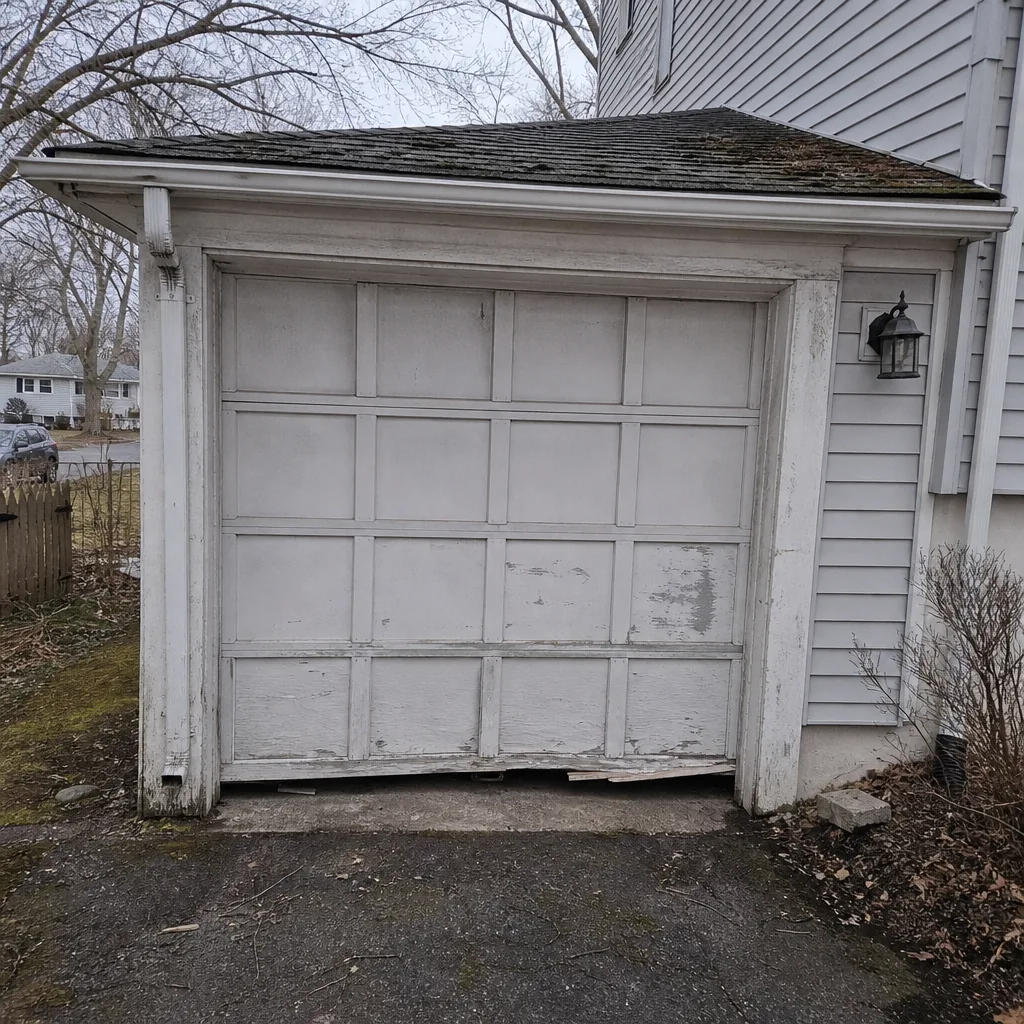 Before
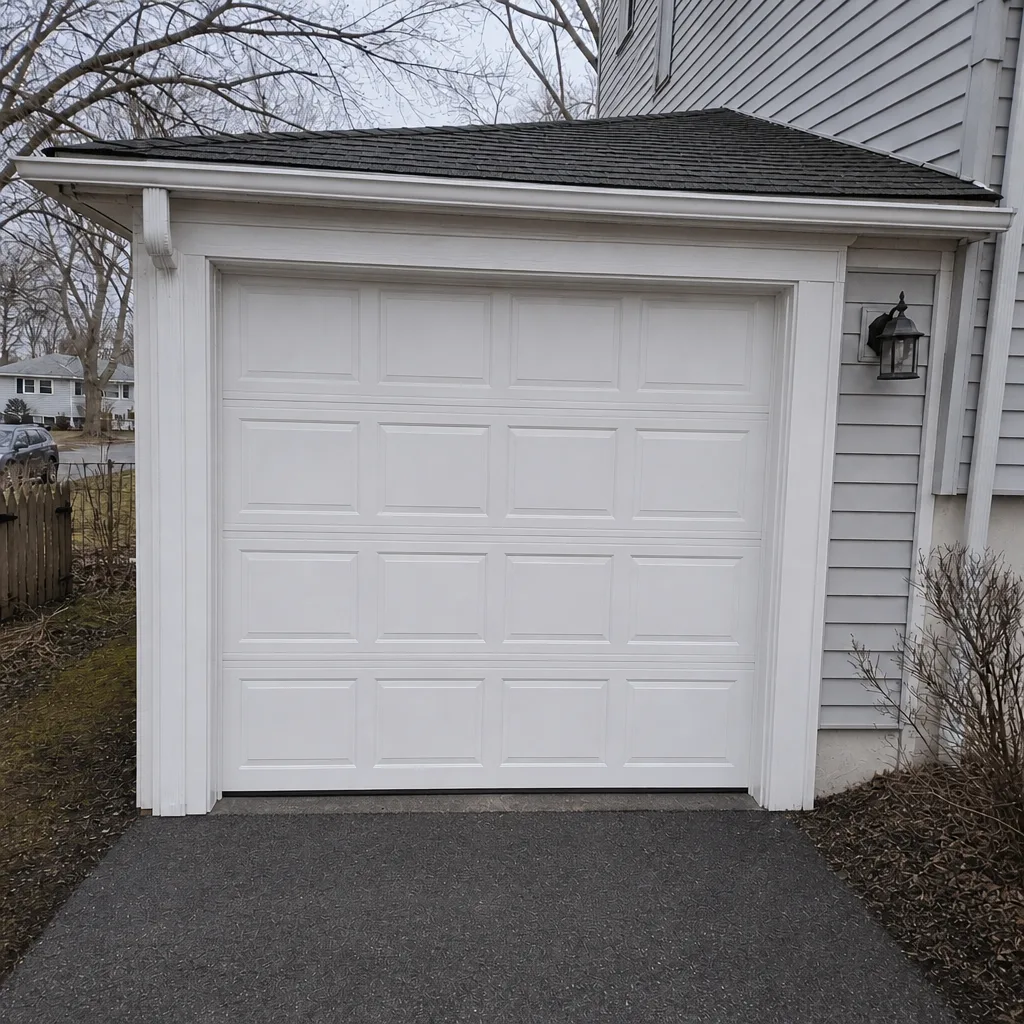 After
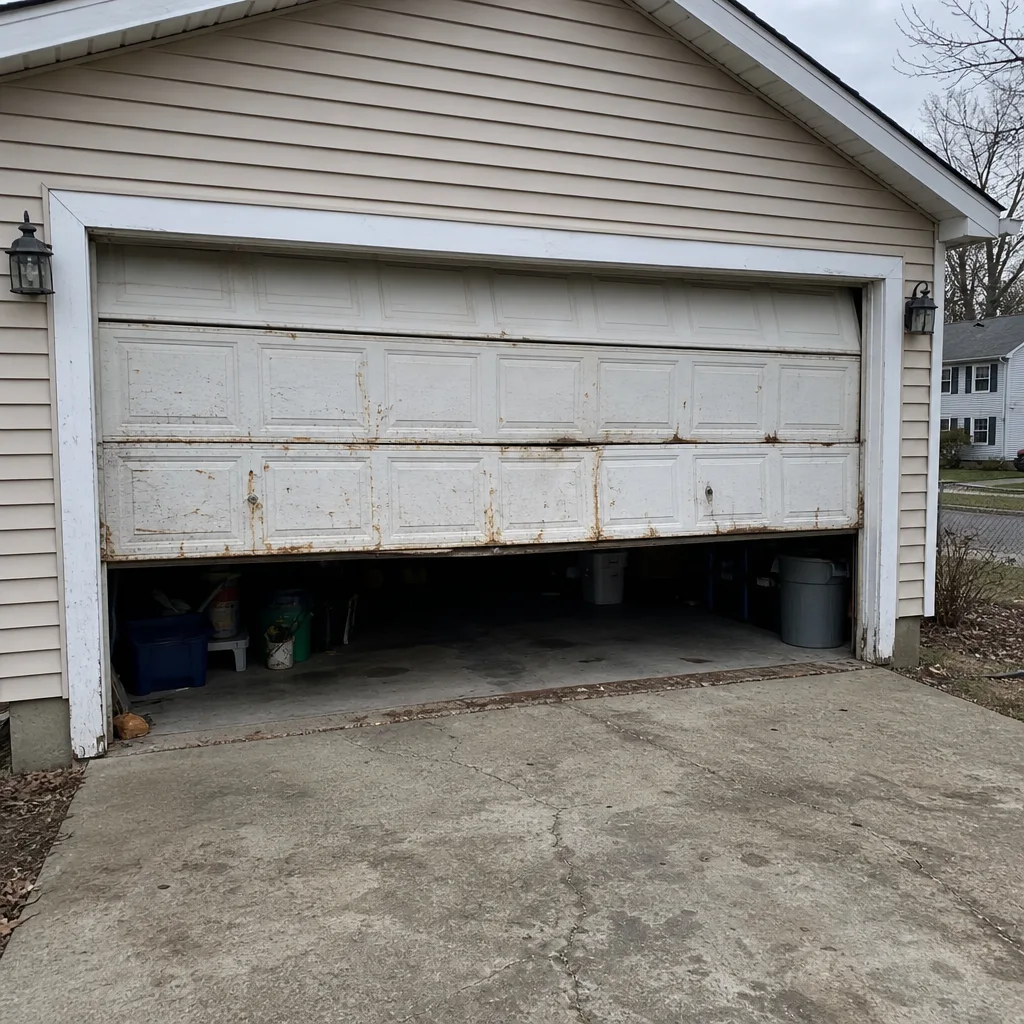 Before
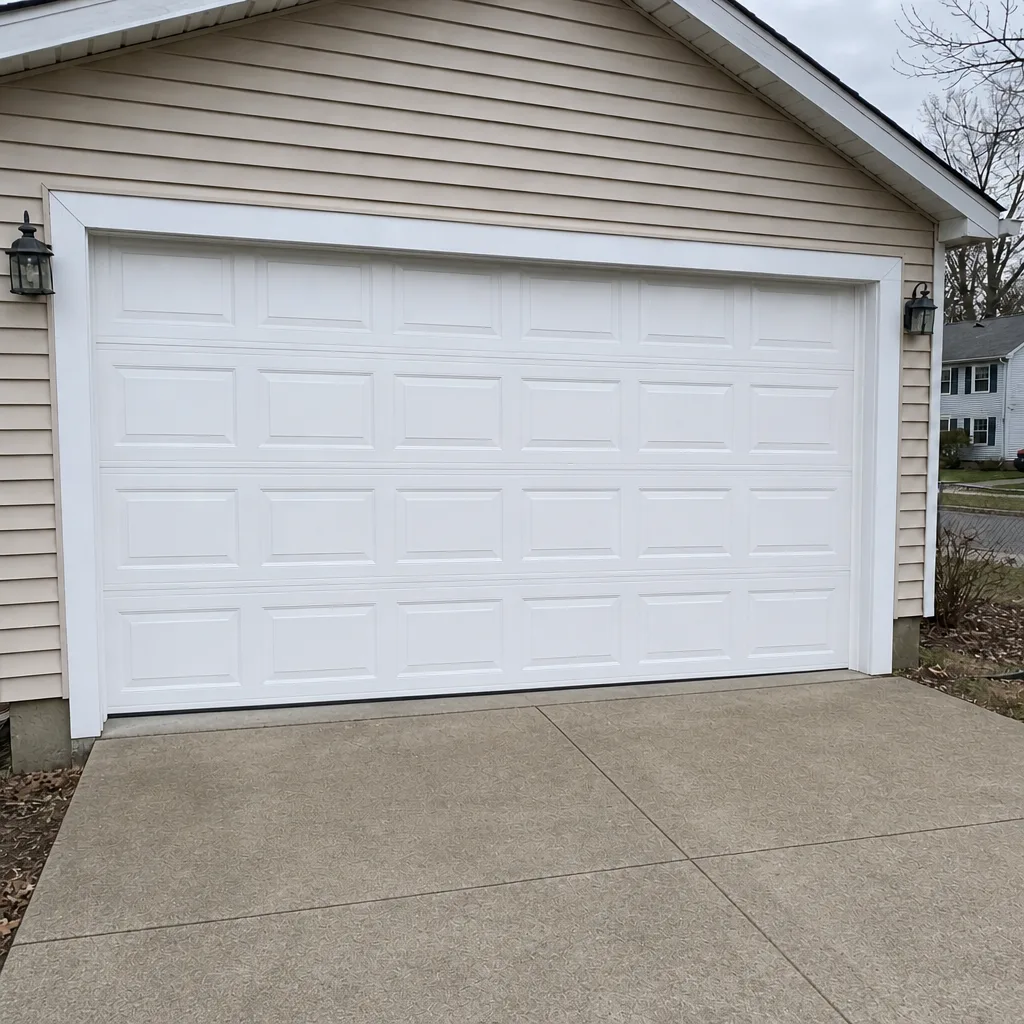 After
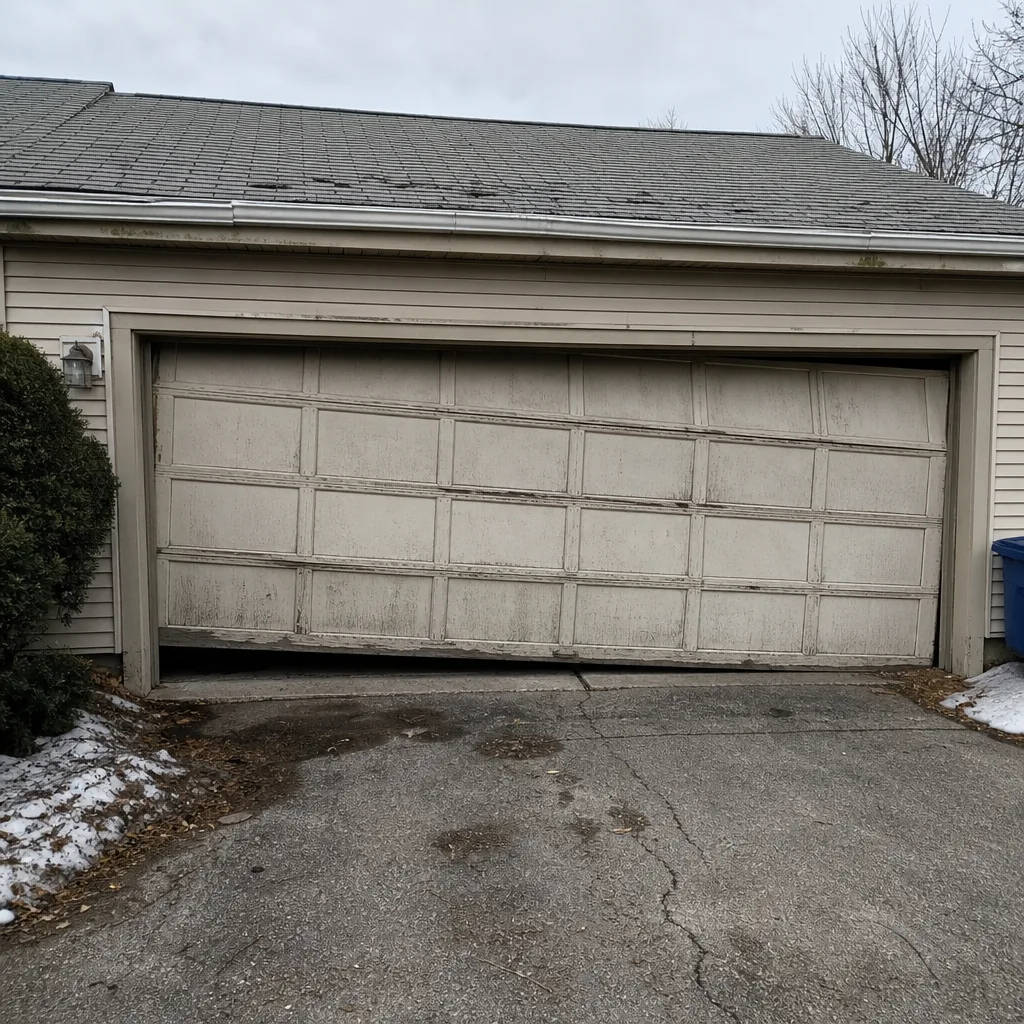 Before
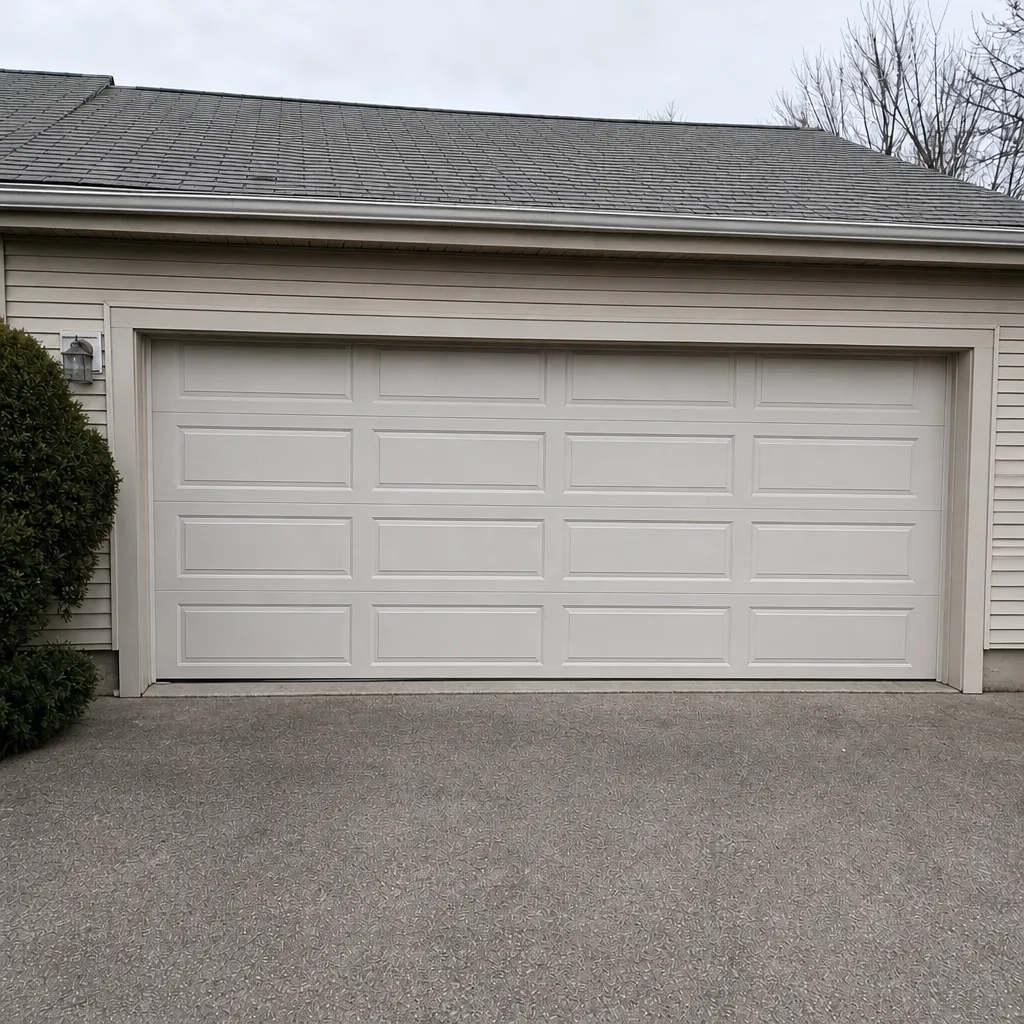 After
When to Call a Professional
Call a professional when the door won’t open or close reliably, when the opener hums without lifting the door, when a spring looks broken or the door feels suddenly heavy, or when the frame and hardware have visible damage after a thaw. Call immediately if the door won’t close, if a cable has snapped, or if anything feels loose or unstable. Our technicians have up to 14 years of experience with LiftMaster, Chamberlain, Genie, and Clopay, and we cover the full arc of repairs, opener service, springs, and installation under one company. Framingham Garage Door Repair offers free estimates in Framingham. Call (844) 443-3741.
Frequently Asked Questions
Garage door repairs in Framingham vary by the job, so the honest answer is that the price depends on what’s broken and the parts needed. The written estimate sets the final price, and we confirm the number with you before any work starts. Call (844) 443-3741 for an exact quote. Estimates are free.
Same-day repair is often possible when the parts are on hand locally, but it depends on the job and the day. Call (844) 443-3741. We answer 24/7. Fast dispatch from 7am to 7pm, Sunday through Friday.
The local professionals we connect you with are licensed and insured as their state requires, and our technicians are experienced with the brands on Framingham doors. For questions about a specific job, call (844) 443-3741 and we’ll walk you through it.
Not always, but older homes often need an on-site measure and sometimes a low-clearance setup or track adjustment. A free measure before ordering is the safest way to avoid a door that doesn’t fit.
Insulated steel with a polyurethane core usually fits the Framingham climate best for an attached garage, especially one with living space above it. Ask for the rated R-value on the door and compare doors by that number, not by marketing name.
Framingham’s freeze-thaw cycle breaks down the bottom seal faster than pure cold does, because meltwater works into the rubber and freezes again. Check the seal after every thaw and replace it when you see cracks or daylight at the corners.
The Bottom Line
Framingham’s mix of old housing stock, harsh freeze-thaw winters, and active HOA neighborhoods means the best garage door choice is specific to your house, not a catalog average. Measure on site, insulate for the attached-garage case, watch the bottom seal after every thaw, honor the HOA rules, and leave spring and cable work to trained technicians. Match the door to your framing and header clearance before you fall for a model. When something breaks or the door is due for replacement, call a company that covers the whole arc: repair, opener service, springs, and installation. Call (844) 443-3741 for a free estimate. We answer 24/7. Fast dispatch from 7am to 7pm, Sunday through Friday.
Written by the team at Framingham Garage Door Repair.